
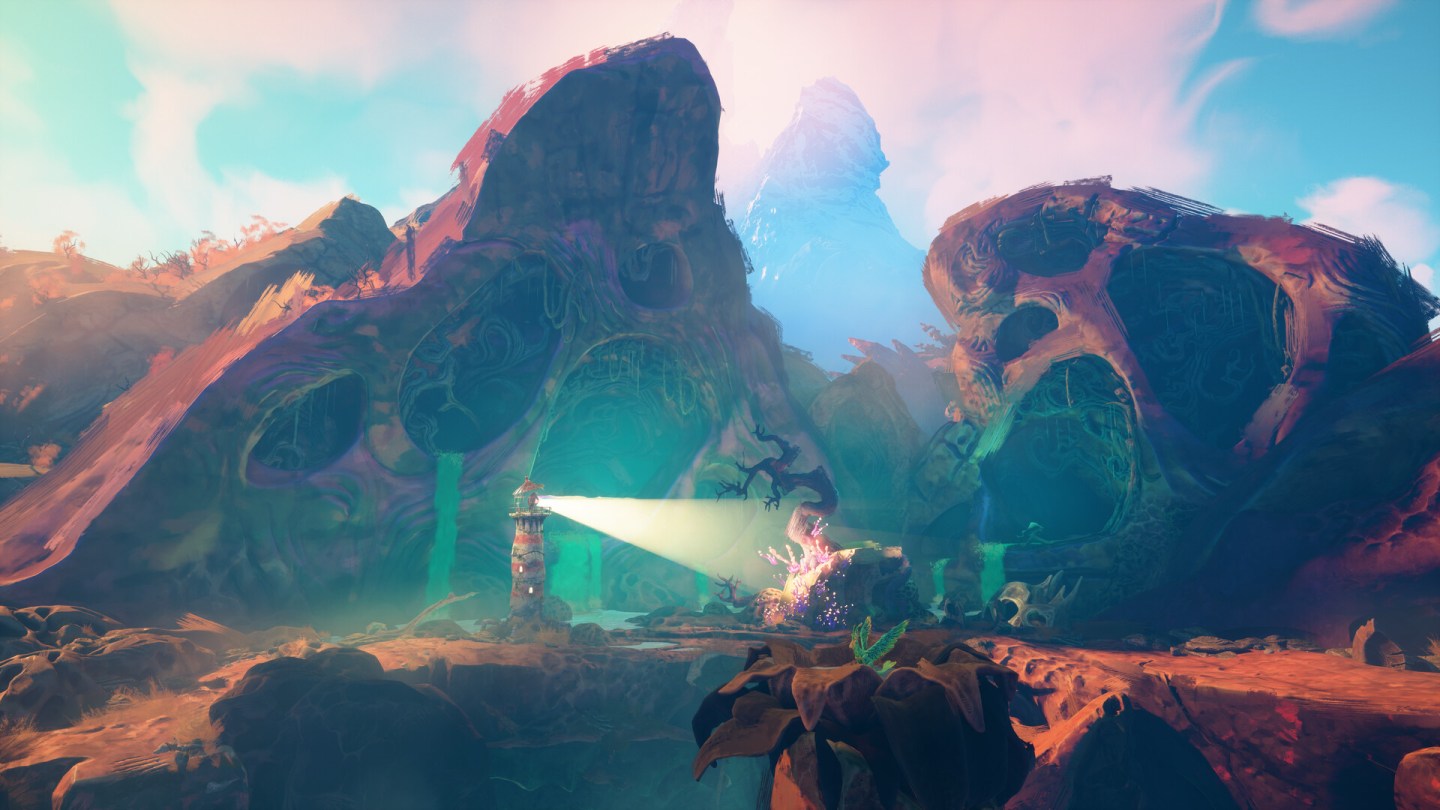
What does it mean to keep playing video games in a world on fire?
What does it mean to play a bunch of video games in a year and then reflect on them? What does it mean to do that again and again for years at a time? Hopefully, it means the list of 10 games below feels worth considering to you. Maybe it means you are encouraged to try a game you wouldn’t have otherwise. Or, maybe it means nothing and it’s just a way for me to justify how much time I put into a hobby I still deeply love.
Cycling between “this means the world to me”, “this is a little important”, and “maybe none of this matters at all but I’m interested anyway” feels like an appropriate response to 2025. The chaos of the world and the value of the arts have rarely felt more at odds with each other. Generative AI technology is trying to rob art of its humanity. That same technology is making game hardware more expensive, our power bills higher, and chasing the COVID isolation money out of the game industry as the waves of layoffs continue. It’s one of many wars on art going on across every medium.
At the same time the ongoing horrors of reality feel inescapable. The days of staying up too late with a video game seem to dwindle as the pull of the social media feed has become this terrible nightcap I can’t help inflicting on myself. I know the insane mash-up of state violence, silly cat videos, war crimes, movie reviews, political opinions, and funny video game clips isn’t good for me, and yet I keep scrolling.
Lately I find myself increasingly, thankfully sick of it. A really good game will still break me from this unhealthy hypnosis, and I’m thankful for those nights where I only use my phone to make sure my alarm is set for the morning. The very best games do that while reminding me what we should all be fighting for: a better, more empathetic world, free from dictators and oligarchs. A world that’s a little more fair, a little more friendly, and a lot more fun.
These are my favorite games of 2025.
10 – Hell is Us
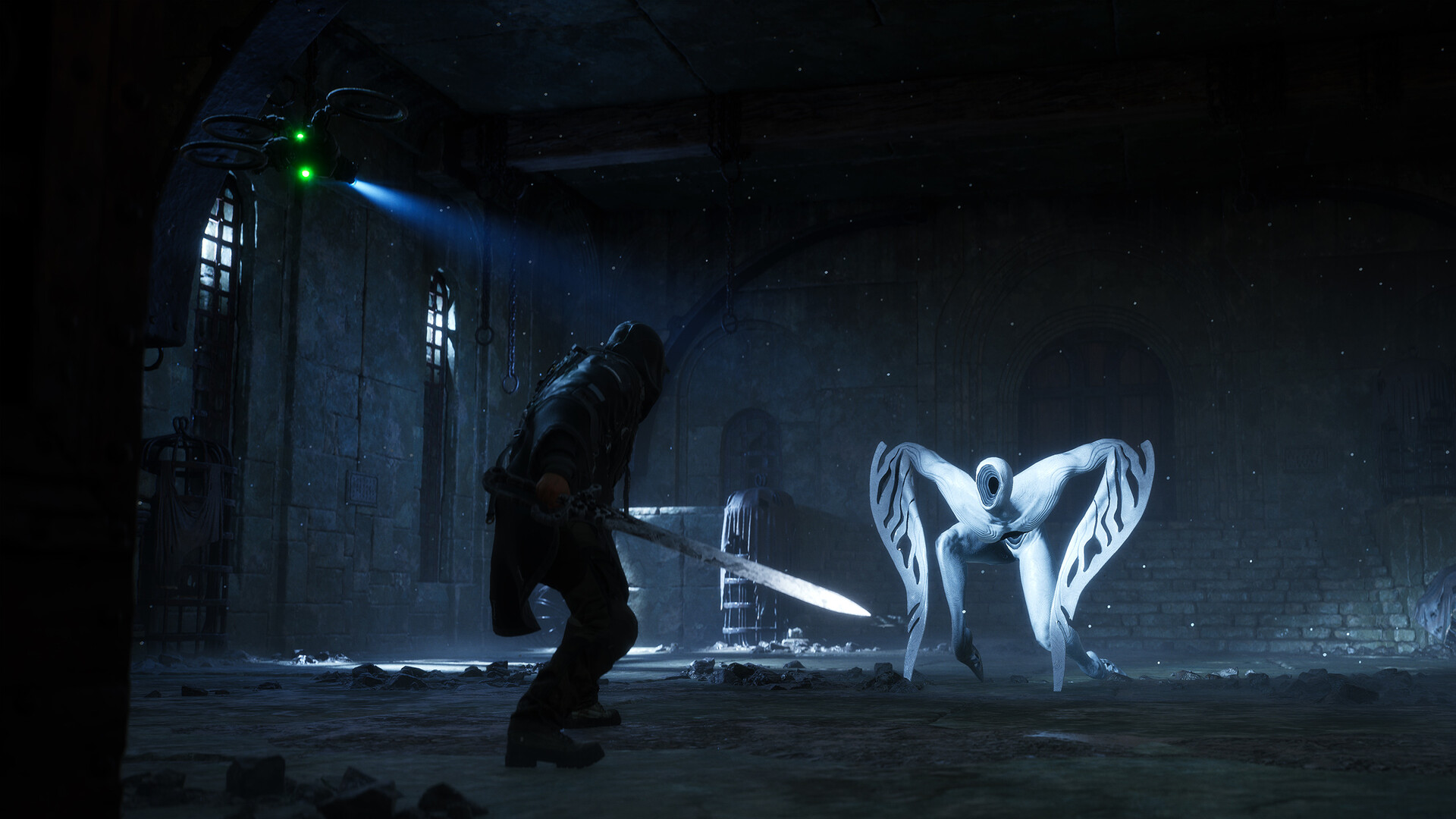
It’s a bit ironic that I’d start this list with Hell is Us. It’s a game about a wartorn nation trapped in an endless cycle of violence. Two factions believe each other to be monsters, incited by the propaganda all around them to commit horrible acts against each other. The worst of these acts open portals to another world, where bizarre unsettling monsters pour out to create an even more dangerous environment. It’s a dark sci-fi story that is both relentlessly depressing and inspired by real-world conflicts.
The core mandate with Hell is Us is that the developers wanted to get away from hand-hold-y quest design. The game opens with a warning, letting you know that there are no hints, no mini-maps, and no objective markers. You make progress by exploring and paying attention. Hell is Us is an attempt to get away from the little buddy who tells you where to go and spoils all the puzzle solutions. It feels like a direct response to Sony’s AAA game design philosophy, where they assume you will turn a game off if you have to think about where to go and what to do for even a fraction of a second.
Hell is Us isn’t super elaborate or complicated either. It’s less The Witness and more The Ocarina of Time. The developer simply wants you to engage a little, and the end result is a game that feels meaningful and memorable.
It’s also far from perfect. Hell is Us is marred with frequent and repetitive combat design. It gets a little too cute with the Dark Souls influence without bringing the depth and enemy variety necessary to pull that off. Much like Silent Hill f, it’s a melee combat game with far too much melee combat. But, I can’t deny Hell is Us feels like so many other B-tier or “AA” games I’ve celebrated in the past—a flawed gem, a game that truly goes for it, even if it shines bright and looks dull in equal measure.
9 – Death Stranding 2: On the Beach
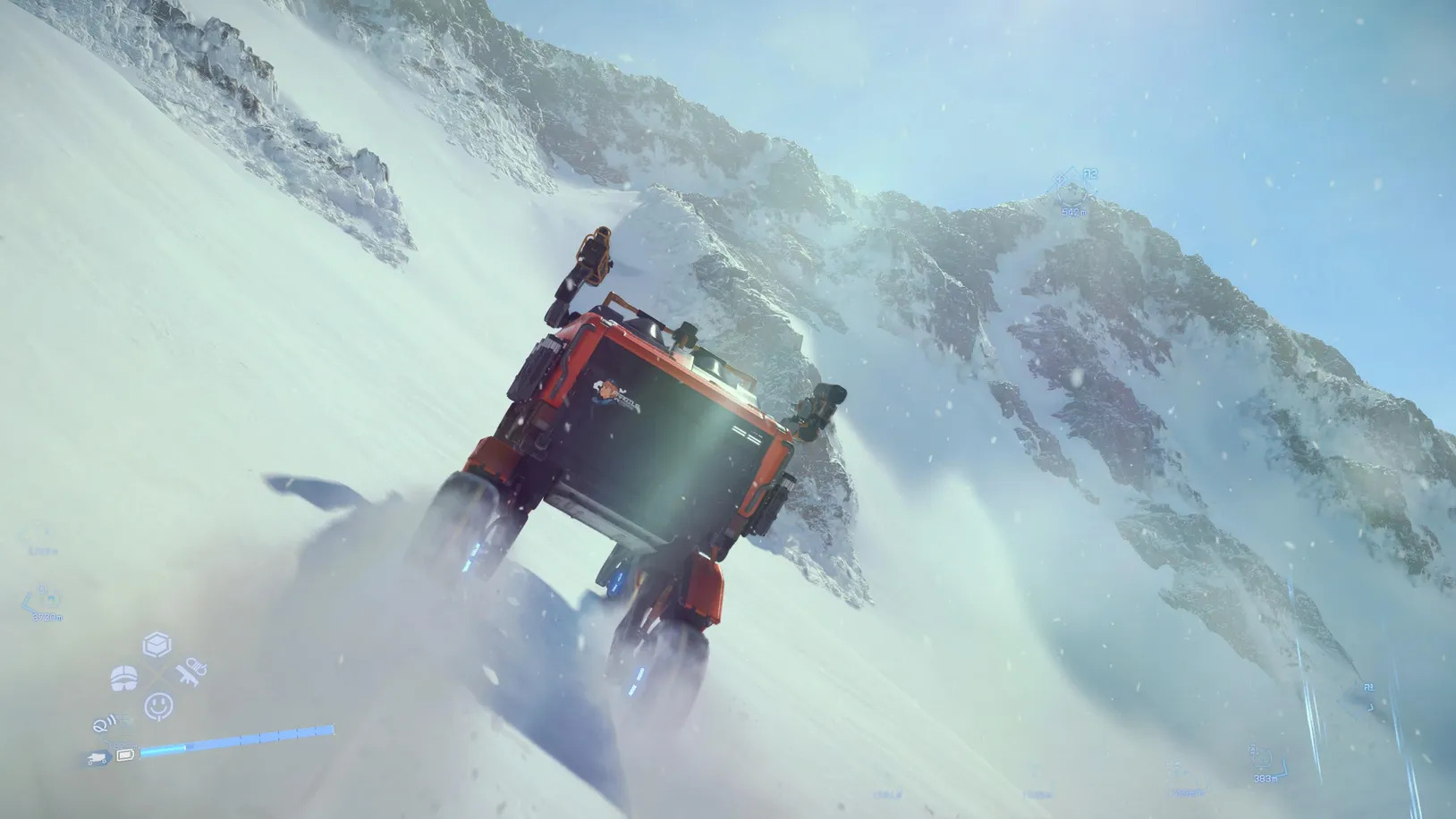
The irony of Death Stranding 2 is that it is a better game than the first Death Stranding in almost every single way and yet it is showing up further down this list than the original game did in 2019. I spent hours in awe of Death Stranding 2’s gameplay loop—it’s a borderline cozy game about driving your little car around a mildly dangerous wasteland, making deliveries to a collection of eccentric weirdos with celebrity faces. The story is ambitious and strange, simultaneously goofier and more well-constructed than most of Kojima’s prior work. It has all the pieces to be a home run.
Unfortunately, all of the polish and improvement between Death Stranding and Death Stranding 2 comes at a cost. The two games are both great in my eyes, and DS2 includes a massive list of quality-of-life features, but it also strips one thing away: the friction. The original Death Stranding was a challenging game at times, and it could feel straight-up unfun and demoralizing when you’d drop all your packages down the side of a cliff or die in a molasses-paced boss battle. Death Stranding 2 “fixes” that by providing many ways to evade danger and take on foes.
By smoothing out the rough edges, Kojima Productions built a game that is a blast to play for many hours, but starts to feel hollow and repetitive well before credits roll. You gain so many tools to make protagonist Sam more powerful, but the game does not present new challenges to match. Unless I purposely went into a mission unprepared to create my own challenge, I found the latter half of the game to be a lot of casually driving a car up and down a mountain while listening to cool music.
If the first game is anything to go by, Death Stranding 2 could receive a “Director’s Cut” version any day now. If that happens, I hope it comes with an overhaul of the game’s difficulty. A version of Death Stranding 2 with all the improvements PLUS a challenge worthy of all these new tools and systems could be a real masterpiece, something that would have ended up much higher on this list.
8 – Death Howl
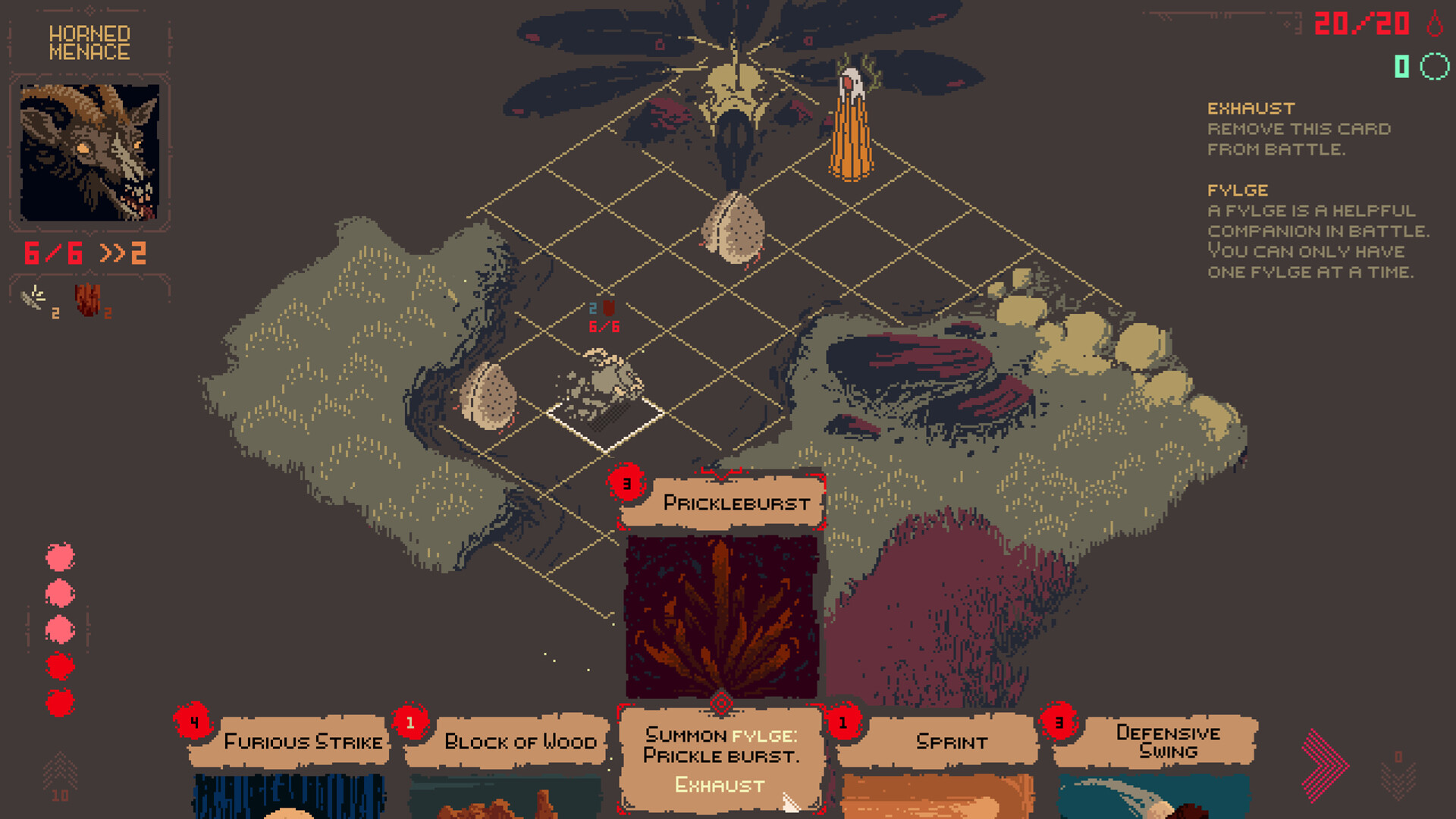
I was a bit shocked when Death Howl wasn’t a typical 8-10 hour indie game with a few cool ideas. What I got instead was a sprawling 30-40 hour deck-building adventure with deep mechanics and a lot of variety. Death Howl blends the tile-based movement and positioning of a Fire Emblem or Shining Force with a card game like Inscryption or Slay the Spire. It does this with a single character—a mother on a vision quest to rescue her son from the afterlife—which infuses the gameplay, story, and aesthetic with a lonely, hostile vibe. It’s the first of many reasons the developers set “A Soulslike Deckbuilder” as the subtitle.
I understand how games comparing their aesthetic or design philosophy to Dark Souls can be tedious at this point. But while I ultimately think that subtitle is there because getting your game noticed is a ruthless venture, it is a useful callout. Countless Soulslike games try to literally clone Dark Souls. Death Howl instead adapts the core ideas, lessons, and challenges of From Software’s games into a completely different genre with great success.
Playing Death Howl felt like poking away at a vast network of challenges. It’s the kind of game where you can go too deep in one direction and realize you’re not at all ready for it. Later, you’ll return with more powerful cards and better deck construction. Mistakes are a necessary evil on the path to improvement, and the reward is often a deck so powerful that it can feel broken.
But that is all part of the Death Howl’s thoughtful design. A deck that’s broken in one area isn’t so strong elsewhere, so you’ll have ups and downs where the game feels solved, only for it to introduce a new challenge that forces you to rethink everything. This is all presented alongside beautiful pixel art, folk horror vibes, and some seriously elegant tutorialization that gets you right into the game. It’s a really impressive effort and a must-play if you like card games and deckbuilding.
7 – …and Roger
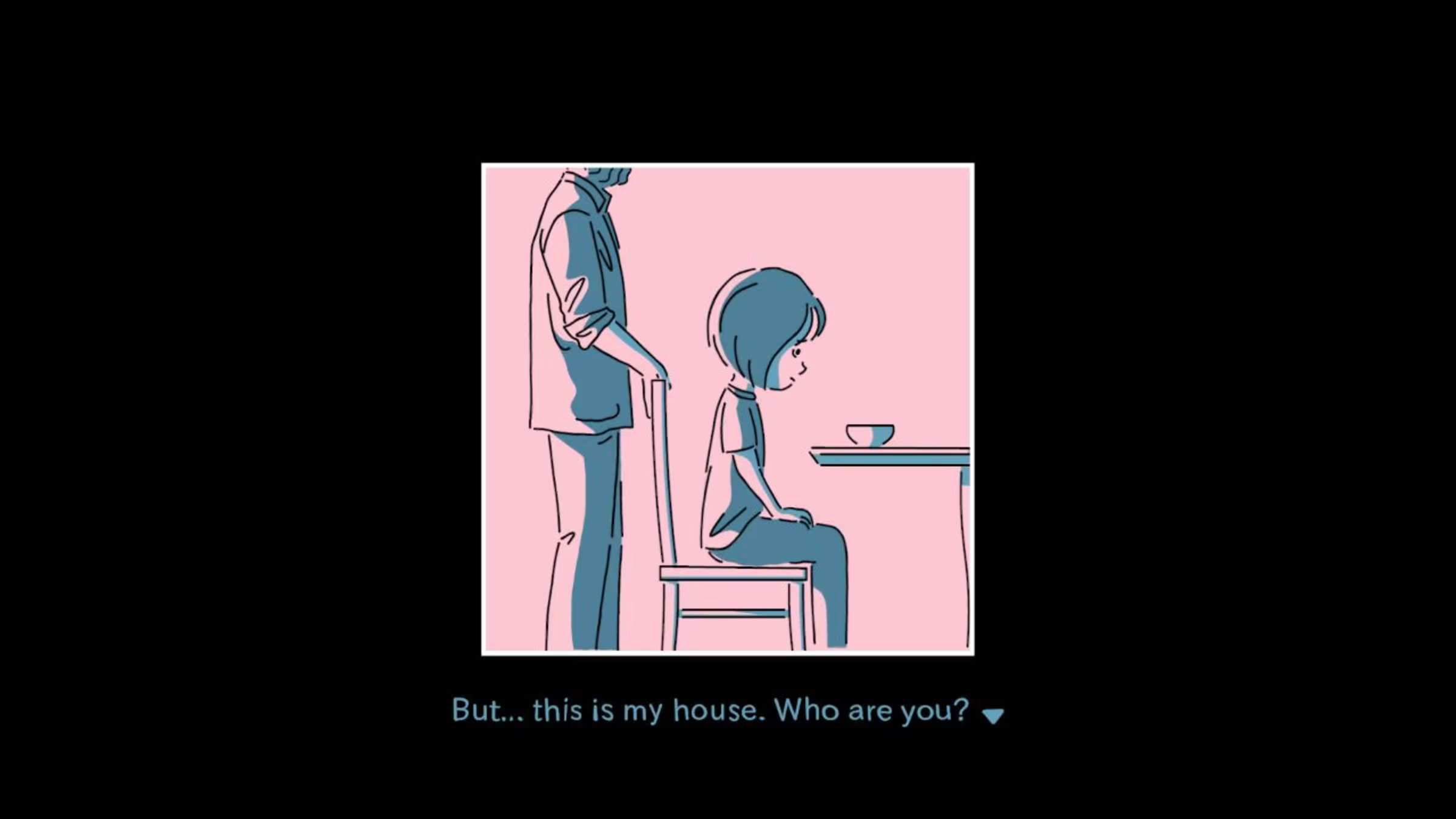
How do you feel about crying over a video game? …and Roger is a tough game to discuss without getting into spoilers, but I will try my best here. I could see a lot of people who might love …and Roger turning it off in horror before the end of the first chapter. It’s a game that wants to put you into the shoes of a specific kind of person, and it’s willing to go to some dark places to achieve that. The goal is empathy though, so know that while …and Roger is dealing with some heavy subject matter, it isn’t actually trying to traumatize or horrify you. As the game goes on, there are bright spots and dark moments in equal measure.
The gameplay is relatively simple, but ties into the themes of the story in smart ways. While it may be a 60-90 minute indie game with light gameplay mechanics and a capital-M “Message”, it’s also the kind of thing that only works as a game. The interaction is a core element that puts you into the main character’s perspective and makes the story work as something you can easily empathize with.
One interesting wrinkle to …and Roger is its religious undertones. The game’s solo developer is Japanese Christian, and aims to lightly integrate religious concepts into their work. For the most part it worked for me because the religious aspects are baked into the characters. For 95% of the game it feels like religion is used as a character trait, with the core focus of the story being something else entirely. At the same time, there is a bit towards the end where the developer’s beliefs become a bit more overt.
These days it can be hard to tolerate any kind of preach-y, religious storytelling. Especially when so many supposedly devout people are the cause of all the “world on fire” stuff I mentioned in my intro. That said, I wasn’t put off by …and Roger. Even when the developer is throwing bible references directly into the game (again, a very small moment), it feels like their heart is genuinely in the right place. Regardless, like I said earlier, this game had me tearing up, feeling genuine empathy and emotion towards the story and characters, and I think that’s what ultimately shined through.
6 – Keeper
While most men are thinking about the fall of the Roman Empire on a daily basis, I’m thinking about the fact that Double Fine is owned by Microsoft. They’re a renowned development house that has always dealt with some precarity, but has never felt more like they have a gun to their heads. Microsoft, much like the Amazons, Facebooks, and Googles of the world, has shown that despite the years of trying to make Xbox the biggest name in games (and getting very close with the Xbox 360), they just don’t have skin in the game. At any moment, Satya Nadella could decide the AI chase is too important and shutter the entire Xbox operation, taking Double Fine with it.
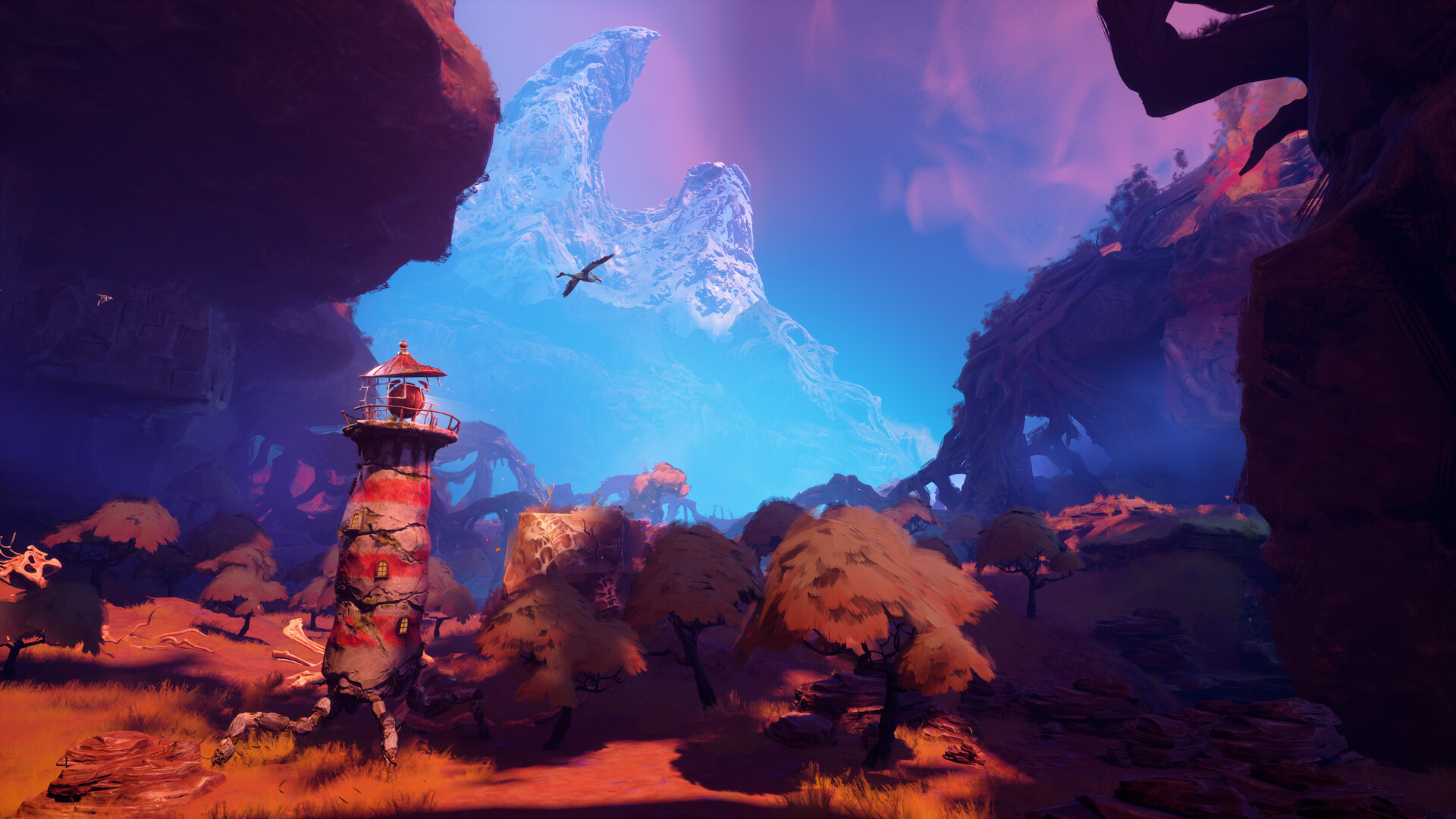
Either Microsoft has given Double Fine a lot of reason to trust them and a long leash, or the studio made Keeper as if it was the last game they’d ever get to make. Double Fine typically makes hilarious, charming crowd-pleasing games that appeal to gamers of all ages—and even then they have not been runaway hits or massive sales success stories. Keeper isn’t trying to please crowds at all. It feels like the opposite—a game born out of a vision and desperate need to express it at the highest possible fidelity.
There’s this movie called Mad God. It’s a sweeping masterwork of stop-motion insanity created by world famous creature effects designer Phil Tippett. It’s the kind of thing AI could never create, that Hollywood couldn’t fund, and it almost never got made. Watching it feels like cracking open an artist’s brain and exploring the contents for two hours.
This doesn’t really have anything to do with Keeper, other than to say that this game gives off a similar energy. It’s trippy, weird, quiet, expressive, and absolutely beautiful. The sheer amount of artistry on display is off the charts. Every environment looks like it took a hundred people ten years to make, and yet you move through them all quickly over the course of four or five hours. I don’t think anyone is going to play it, and yet I think it matters so much that it got to exist. Whether that’s because of or in spite of Microsoft’s wallet, I don’t know, but I’m glad it happened either way.
5 – Peak
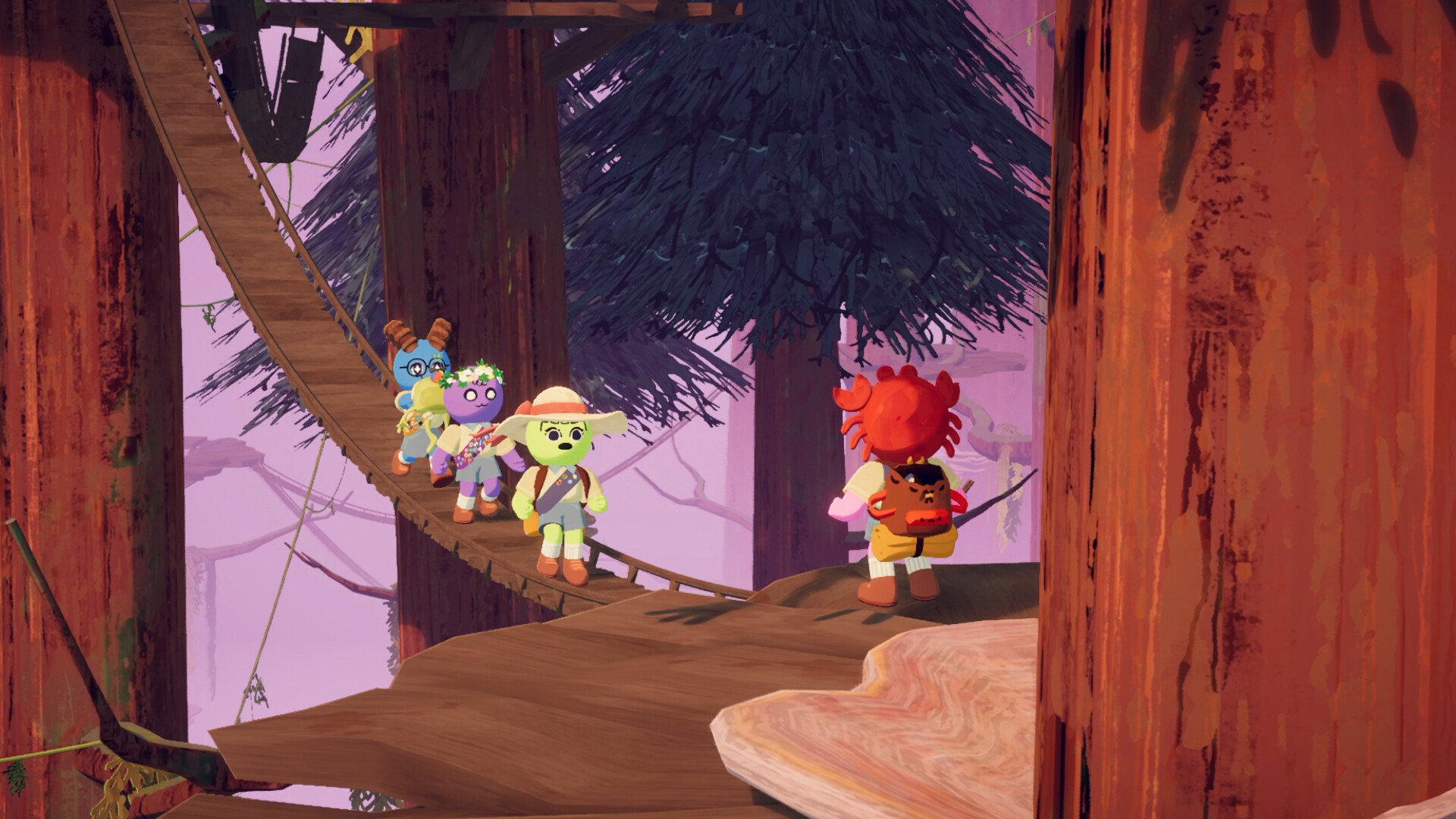
I really thought Peak was going to be a one session novelty before I played it. After all, it started life as a one-month game jam before the developers spent a few months making it into a final product. I think I paid for two $5.50 copies of it so my wife and I could play with friends. The game is janky and unoptimized (it seems incapable of running at an acceptable framerate on any of my machines). In a lot of ways it feels unfinished, and the developers have been polishing and adding to the game ever since it blew up in popularity.
Despite earning its “friendslop” moniker, I ended up putting over 35 hours into Peak and climbing to the top of the mountain multiple times. Part of the draw is, of course, the social element and the proximity voice chat system that leads to almost endless comedic moments. It’s a perfect online chatroom/hangout game. Thanks to the way voices naturally fade out as players split off from each other, the game ends up having a real party vibe to it. People will break off and catch up with each other as they climb, regroup further up, and naturally break off again into different groups. Some of my favorite memories involved quietly climbing off on my own and hearing two friends chat away in the distance. Of course, it helps that we modded the game to support more players, and so we almost always had at least five or six people climbing.
The social element is so much more than proximity voice chat though. Peak is a deviously well-designed game, and the climbing mechanics are simple but really fun to master. The dynamics evolve as players improve (or fail to improve) in different ways. Those who really get the hang of the climbing also tend to take bigger risks or endanger themselves to rescue their friends. Others may excel at simply managing the team or making sure inventories are well-stocked and player’s stamina bars remain high.
The randomly generated environments can sometimes go off of the rails, but for the most part the game seems to offer up at least one relatively easy path up the mountain. Of course, that safe path is hidden among many more dangerous, challenging, and ill-advised climbs, and seeking out a route for your entire group is part of the fun. All of these elements—the proximity chat, climbing mechanics, and randomness—come together to create a truly novel online multiplayer hangout game. It’s the rare kind of game that reminds me how exciting and unique online gaming can be.
4 – Elden Ring: Nightreign
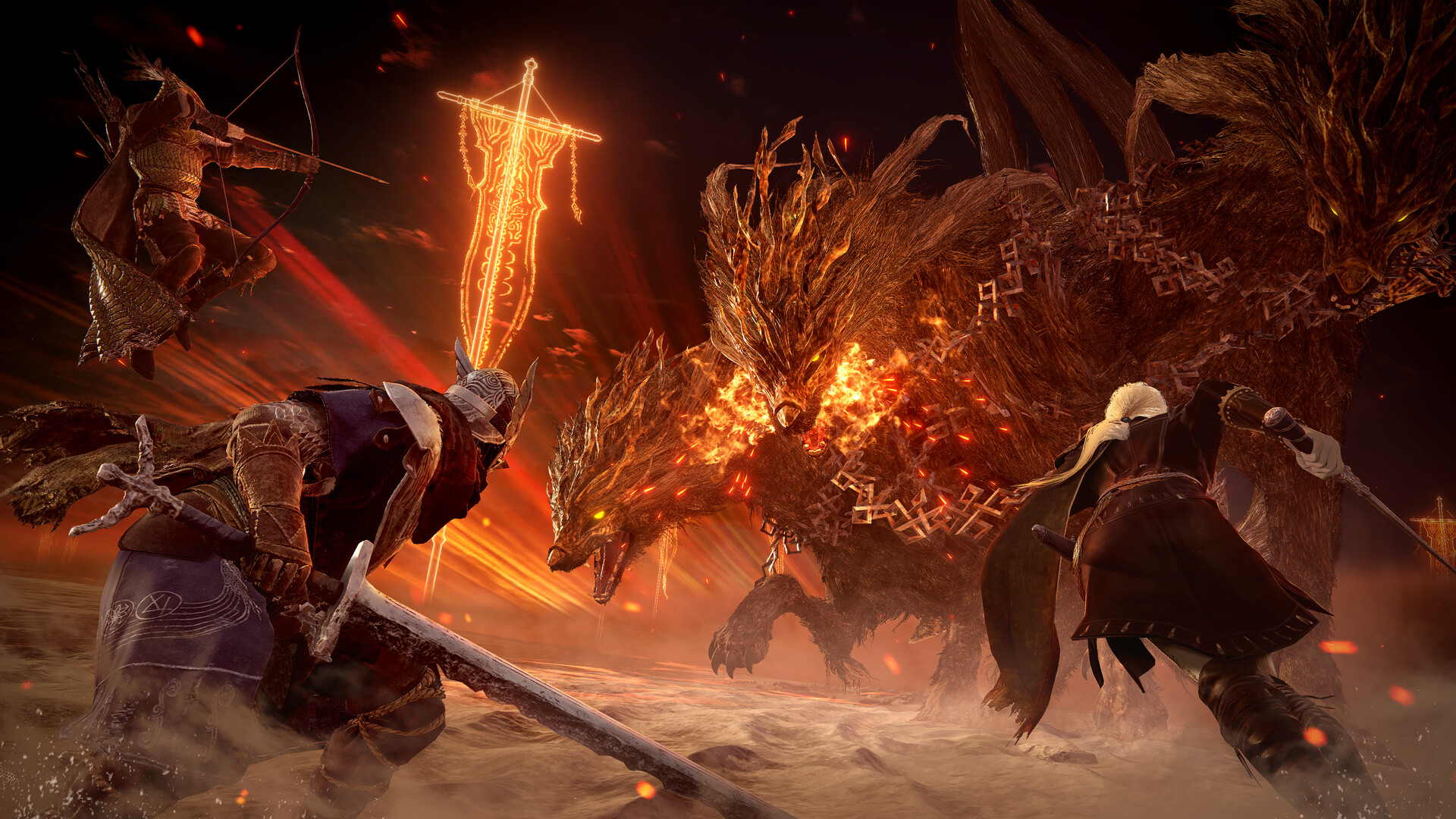
They can’t keep getting away with this!! FromSoftware hasn’t missed when it comes to the Souls games and their offshoots, but Nightreign felt like the riskiest swing yet. It’s a multiplayer-first run-based game inspired by battle royales cobbled together from chunks of the main Elden Ring game. It feels like an elaborate mod, complete with weird fan-service-y additions like iconic Dark Souls bosses.
Playing Nightreign can be an even more daunting prospect than prior games in FromSoftware’s already notoriously challenging catalog. The biggest obstacle is probably finding two other like-minded friends who are willing to lose hours of their lives to frustrating deaths and failed runs. Sure, you can technically play the game by yourself or with randomly matchmade players, but I think Nightreign resonates best when you can feel your skills improving as a group.
If you’re lucky enough to have a group though, Nightreign is a thrilling journey. For weeks my party got together to slam our heads against one boss after another. Frankly, it took a long time to even unlock a second boss battle—wrapping our minds around the unique structure of Nightreign was the first challenge.
While the core combat mechanics are similar to regular Elden Ring, the flow of a Nightreign run is an aggressive race around an increasingly hostile map. Players can almost run up walls, dash like Sonic the Hedgehog across the terrain, and fall hundreds of feet without a bit of fall damage. That mobility is important because you spend the entire time trying to outrun a deadly storm that makes the playable area smaller and smaller until it closes around a boss arena. The time before that boss fight is a frantic rush to gather better weapons and defeat powerful enemies so that you level up enough to stand a chance.
The end result is a game that feels refreshing, exciting, and challenging in a whole new way. The fast pace and unique special powers of the various playable characters not only had me excited for whatever FromSoftware makes next, it had me wondering if I’d ever want to go back to the slower pace of regular Elden Ring.
3 – Blue Prince
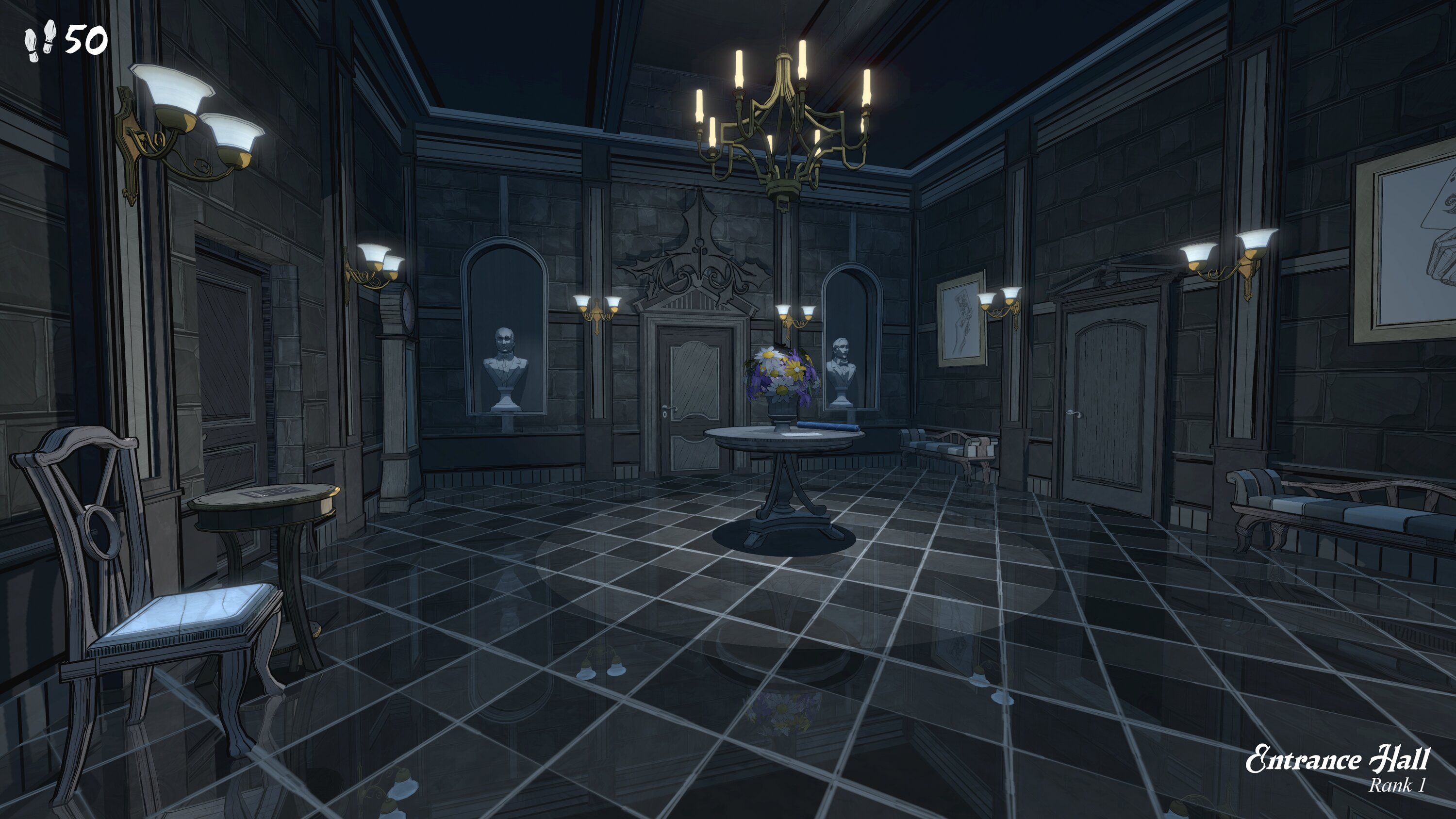
Blue Prince is this year’s massive puzzle box in the spirit of Lorelei and the Laser Eyes, The Outer Wilds, or The Witness. Those were my favorite games in their respective years and that genre, when executed at that level, is such a joy to experience. I’m still not sure what to call that genre —some have coined the goofy term “Metroidbrainia” for how the games’ unlockable items are simply the knowledge and information you earn along the way—but this combination of exploration, storytelling, and puzzle-solving is like catnip to me.
Blue Prince utterly absorbed me for dozens of hours in much the same way, but it also took some genre swings that kept it from the top spot on this list. The core gameplay is almost like a board game that you play over and over again. You start each day in a foyer with three locked doors, and a large grid before you. Each time you open a door you get to pick from three randomly-rolled rooms and start building out the house, connecting rooms to each other until you run out of resources or accidentally build too many dead ends. Within each room are clues, items, and lore that help you to reach Room 46, a room at the top of the grid, and your character’s primary goal.
Getting to Room 46 is a wild ride, but, like so many of these kinds of games, it is only the tip of the iceberg. The real Blue Prince starts when you discover the seemingly endless layers of secret puzzles to be solved. And, because of the random rolls where you build a completely new house each day, you may even discover some of these deeper puzzles before you’re anywhere near Room 46.
If I isolate my first 60 hours with Blue Prince, I would probably hold those hours in the same high esteem alongside the other puzzle games I mentioned earlier. Unfortunately, I pushed through another 30 hours with the game, hitting my head against its random-chance design trying to solve every layer until I couldn’t stand it anymore. I wrote at length about reaching a point where I never wanted to look at it again. Puzzle sickos sicker than I may find the depths of Blue Prince more satisfying than any other game to come before, but they’ll also have to jive with the random elements, and that was something that eventually broke me.
2 – Baby Steps
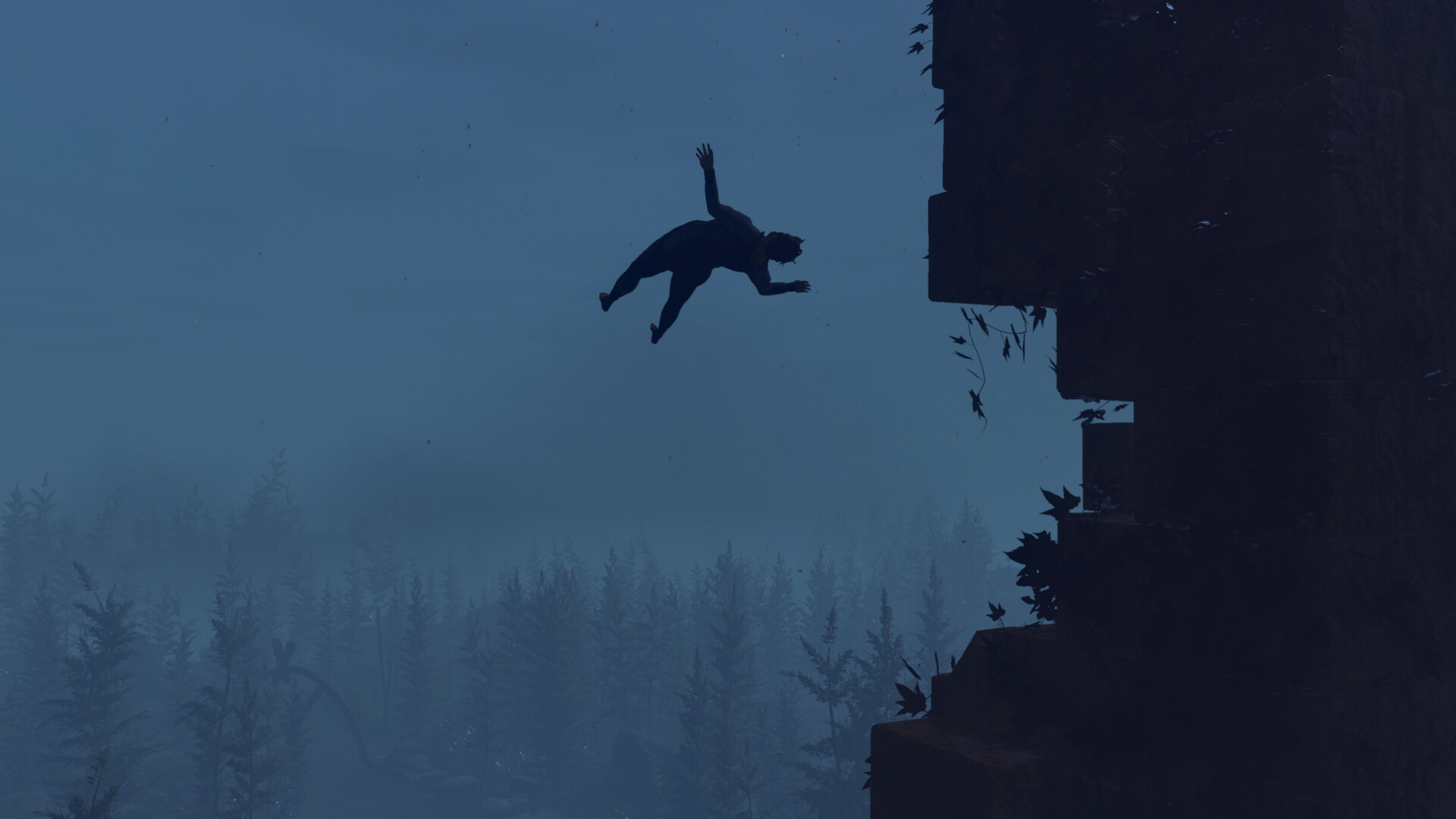
Baby Steps feels like the ultimate form of the ideas that creator Bennet Foddy has been experimenting with for years. The funny running of QWOP and the masochistic level design of Getting Over It are combined with a massive 3D world, hilarious cutscenes, and a story about overcoming personal hangups to create something truly unique. It’s both a ridiculously difficult comedy game about a lazy guy in a onesie with a fat ass and a game that ultimately shows love and empathy for that lazy guy and the player.
You play as Nate—the aforementioned onesie guy—who is transported out of his parent’s basement into a strange world where he no longer knows how to walk properly. From there you and Nate both learn how to make him walk together. First, by falling flat on your face just trying to take a single step, and later, by scaling complicated obstacle courses where falling can set you back by several minutes. It’s really frustrating, but also far more generous than something like Getting Over It. When I lost my footing and fell off of a cliff or a rolling hill I’d inevitably find a new way to go with an easier or different challenge that I was able to overcome. It’s a game that constantly offers you harder and harder challenges but also insists that you take the help when things get too tough.
Baby Steps is a wickedly smart game that uses genuinely hilarious comedy to mask bigger themes. Those themes will eventually bleed through, and be interpreted differently by different players. I’ve heard some really profound interpretations of what happens in this game that go a lot deeper than what I took away from it—and I still found it to be a really satisfying and nuanced story!
It’s a weird thing to say, but Baby Steps feels like video games having a genuine brush with that “Art” thing everyone is always arguing about. After all, it’s a story with strong themes that’s open to interpretation, and the act of playing it is key to the experience. I’m not sure that’s really an argument worth having, but I’d like to think it says something about how much I think you should play this game.
1 – Clair Obscur: Expedition 33
I had a bit of a rollercoaster ride with Clair Obscur: Expedition 33. I saw the trailers and immediately gravitated towards it, but when the game launched to immediate praise I found myself throwing it in the backlog. Maybe it’s just that discovery is part of what I find fun about this hobby—and a big reason I continue to write about it—and the discovery of Expedition 33 was already solved. Its status as a game of the year candidate almost felt inevitable. It’s a hipster take, but liking this game is kind of boring and obvious, you know?
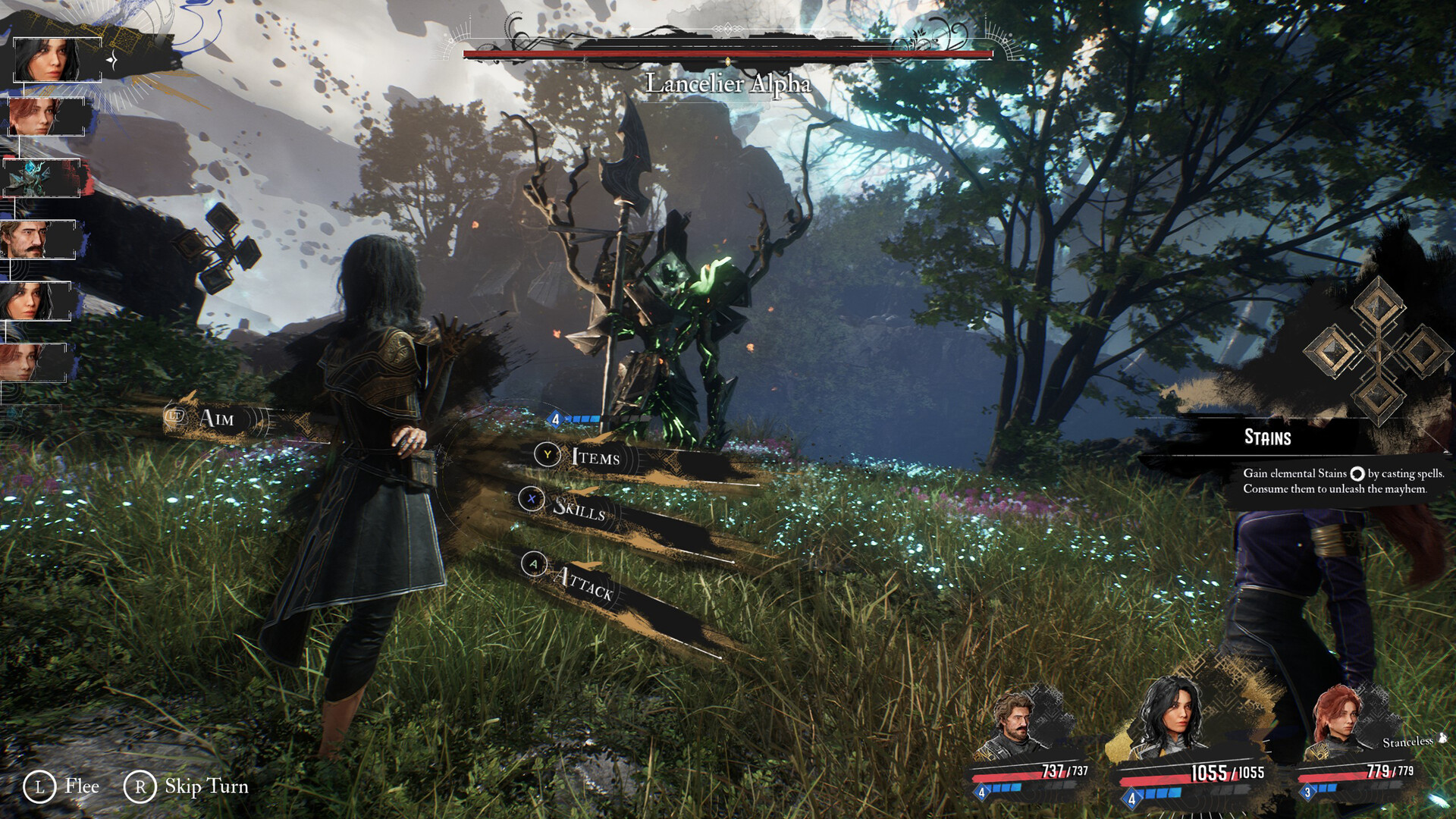
Yet, when it came down to it and I actually started playing Clair Obscur, I found a game truly in my wheelhouse. Like my absolute favorite pieces of media, this game has an energy to it that had me riding high on a constant wave of goosebumps. The developers at Sandfall Interactive are truly going for it here in every respect. Everything from the stylized battle menus, to the sweeping soundtrack and the wild wild story swings is built with a level of passion that is rarely seen on this scale in any medium. When I spend all my free time with games, movies, books, and stories, THIS is what I’m looking for.
And while this very French game is a JRPG mainly for what it owes to the genre (and how awkward our video game genre naming tends to be), this is also the best JRPG I’ve played since I was a child. The battle system is so entertaining because it asks you to learn a cast of characters who all have different mechanics while also mastering a parry system that makes every part of the battle important. Expedition 33 is always engaging because it demands your enthusiastic attention, even when it isn’t your turn in a fight.
If you want any more evidence that I’m a sucker for lesser known games, you need only look to my favorite JRPG: Panzer Dragoon Saga. This super-rare Sega Saturn game has lorded over my personal games-of-all-time for decades, walking circles around other JRPGs in a way that had started to get kind of annoying. While other genres advanced with the times, I found myself chasing a literal dragon with JRPGs. I played one Final Fantasy after another, coming away disappointed. I played genre favorites like Persona and Xenoblade Chronicles, ultimately finding them enjoyable, but also overstuffed and too long to truly fall in love with.
With Clair Obscur, I finally have a JRPG that lives up to the hype—a game that I have as much excitement and enthusiasm for now, as a man in his 40s, as I did for Panzer Dragoon Saga as a teenager. To live long enough to see something like that, to fight for a world where art like this gets to exist, is there a more worthwhile pursuit?
 Red Ring Circus