
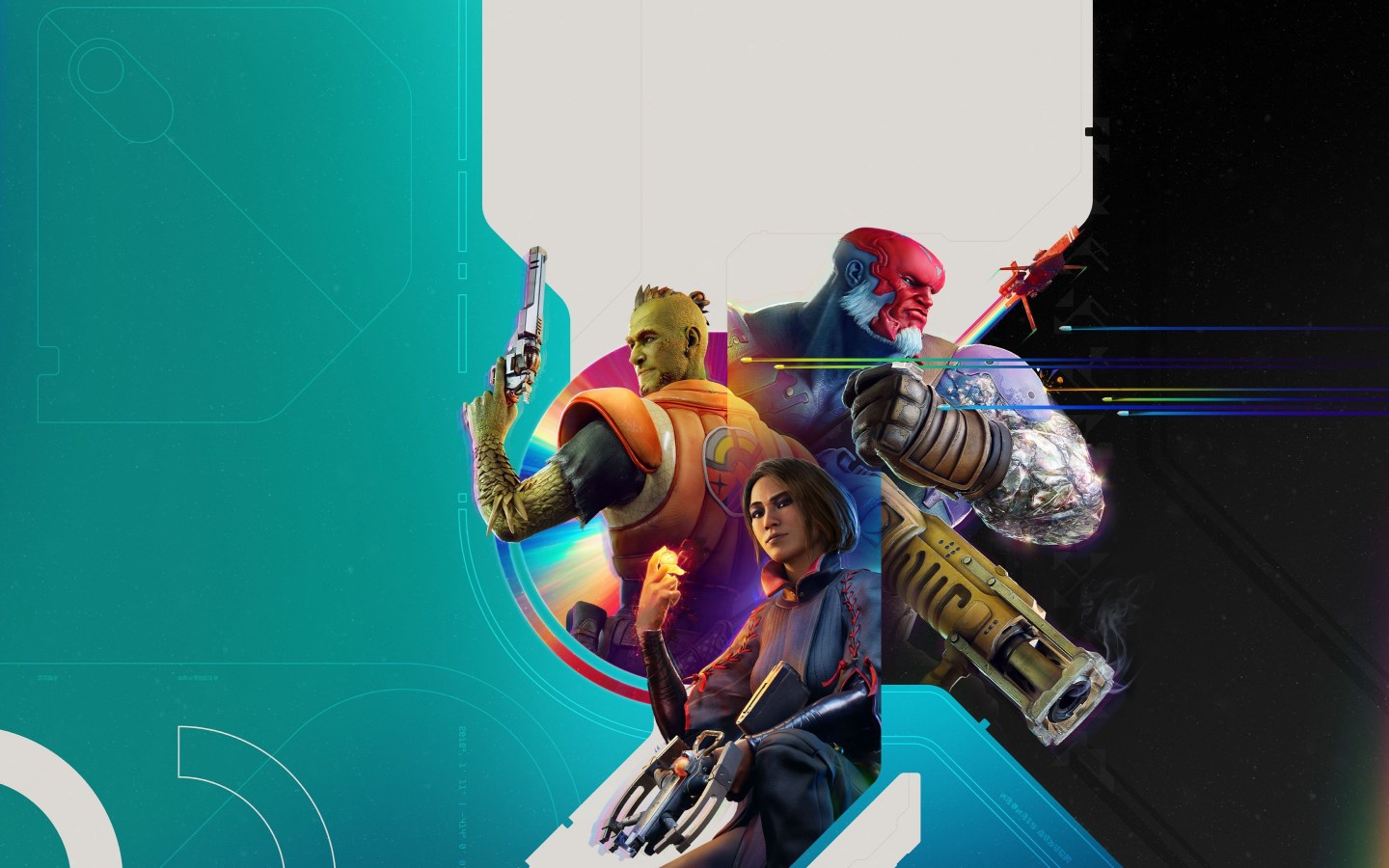
Concord was a historic black eye for Playstation. The game debuted to an overwhelmingly negative response. Few bought it, even fewer played it for long, and the game was quickly canceled after just two weeks. Everyone who bought it digitally was given a refund. Everyone who bought it physically was told to return it to the retailer they purchased it from. The game was stripped from the Playstation Network as if it had never happened.
At this point, far more people have said things about Concord than actually played it. The game was a popular point of discussion for those two weeks, and most of the discussion was not positive. There was real delight in gravedancing over Concord among the gaming community. For many, it was probably just the thrill of watching a slow-motion car crash play out. For some, it was a sign that the gaming audience was finally rejecting the kinds of online live-service games that were corrupting the medium. And, for an even smaller few, it was another entry in the gross “go woke, go broke” narrative that social media shitheads love to repeat.
Ultimately though, Concord was a perfect storm of many things going wrong at once. The appeal of the game was poorly conveyed in its marketing, its aesthetic was questionable, it wasn’t free-to-play, it was coming from an untested development team, and overall it had a lot of stink on it.

A lot of people already decided they wanted Concord to fail from day one. We live in a time where every game has to have some controversy attached to it, no matter how good it is. But Concord wasn’t obviously good, or an easy sell. From day one it was tarnished by the vultures who circled around its low concurrent player counts. “No one is playing Concord,” was the big narrative from the beta weekends right into its official launch. If the big story around your online game is that no one is playing it, that makes it a pretty questionable purchase for an informed customer.
Concord never got the chance to build an audience. There was no breathing room for anyone to say anything nice about it. In fact, any positivity around the game on social media was aggressively shut down. Anyone enjoying Concord was just “drowning in copium”, trying to justify their purchase. Even after the game was shut down and fully deplatformed, the Concord subreddit wasn’t a safe space to talk about the game in a constructive way. Shitty people were just way too bored to let it go.
For most that is probably the end of the story. Another game in the trash, a million more vying for your attention. But while I’ve mostly moved on, I have to say I really enjoyed my time actually playing Concord. Each session was more fun than the previous one, and I found myself making wild hyperbolic exclamations like, “This is the most fun I’ve had with a sniper rifle in a video game.”
Alongside my wife and small group of friends, I put a bunch of time into it. Hours before the game would go offline, likely forever, I was still discovering hidden depth to its cast of misfits. Sure, on the surface this was Temu Overwatch, but for a Bungie/Halo/Destiny fan bored by Overwatch’s particular pace, Concord felt like a dream to play.
I’ll admit Concord is pretty derivative, but it’s derivative because it’s an intelligently designed midpoint between Destiny and Overwatch. It resolves the former’s balance issues while injecting some fun movement tech into the latter.
When I first started writing this article, I wanted to give the developer some constructive feedback. My silly optimistic hope was that someone at Firewalk would see it and appreciate that it was coming from a place of real love for the game. When I was actually playing Concord, appreciating it in a vacuum without social media’s endless grief, it felt like it was 90% of the way to a great game.
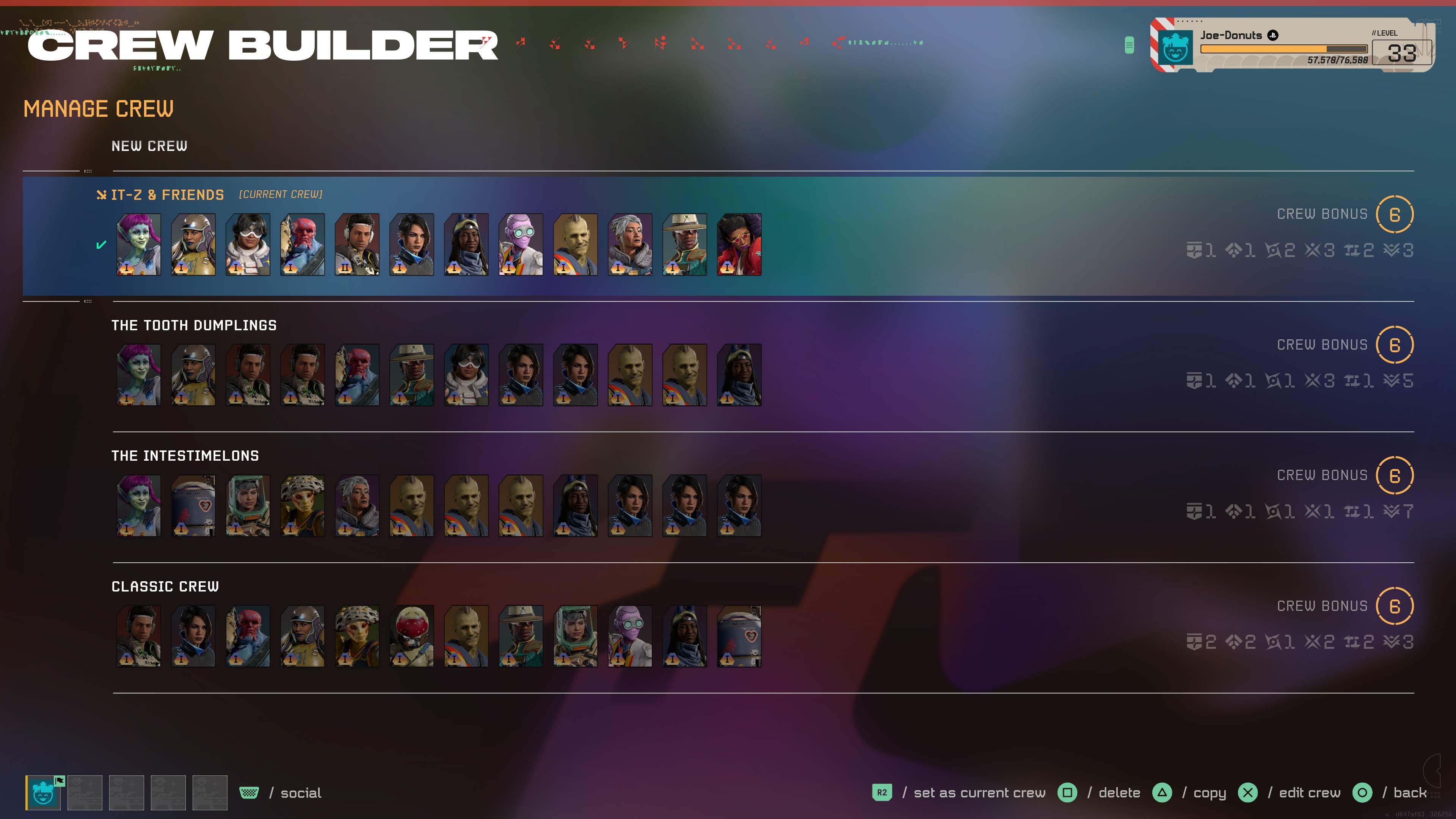
I wanted to get into the weeds about the game’s Crew Bonus system, which encouraged players to swap characters multiple times over the course of a match to pile on various combat buffs. It’s a great system for the game’s Rivalry mode, which felt like an attempt to refresh Destiny’s Trials of Osiris, but the crew bonuses felt weird in other parts of the game.
See? I’m still trying to backseat gamedev a dead game. I already threw out 1600 words explaining why I thought Concord was worthwhile and what it could have done better, but I still feel a compulsion to talk about it like it’s coming back.
But trying to improve Concord or hoping for a relaunch sounds more and more ridiculous with each passing day. The latest story is that Sony is still deciding what to do, and Firewalk devs are caught between wondering if they will relaunch the game, work on something new, or get laid off. Likely by the time I finish this article the story will change again, as reporting is already coming together about how wildly mismanaged the game was.
A week ago it felt like it would have been cute to include Concord in my top 10 at the end of the year, sticking it to the haters in my own meaningless way. Now it almost feels irresponsible and misguided to continue praising the game as we find out more and more about what it represents.
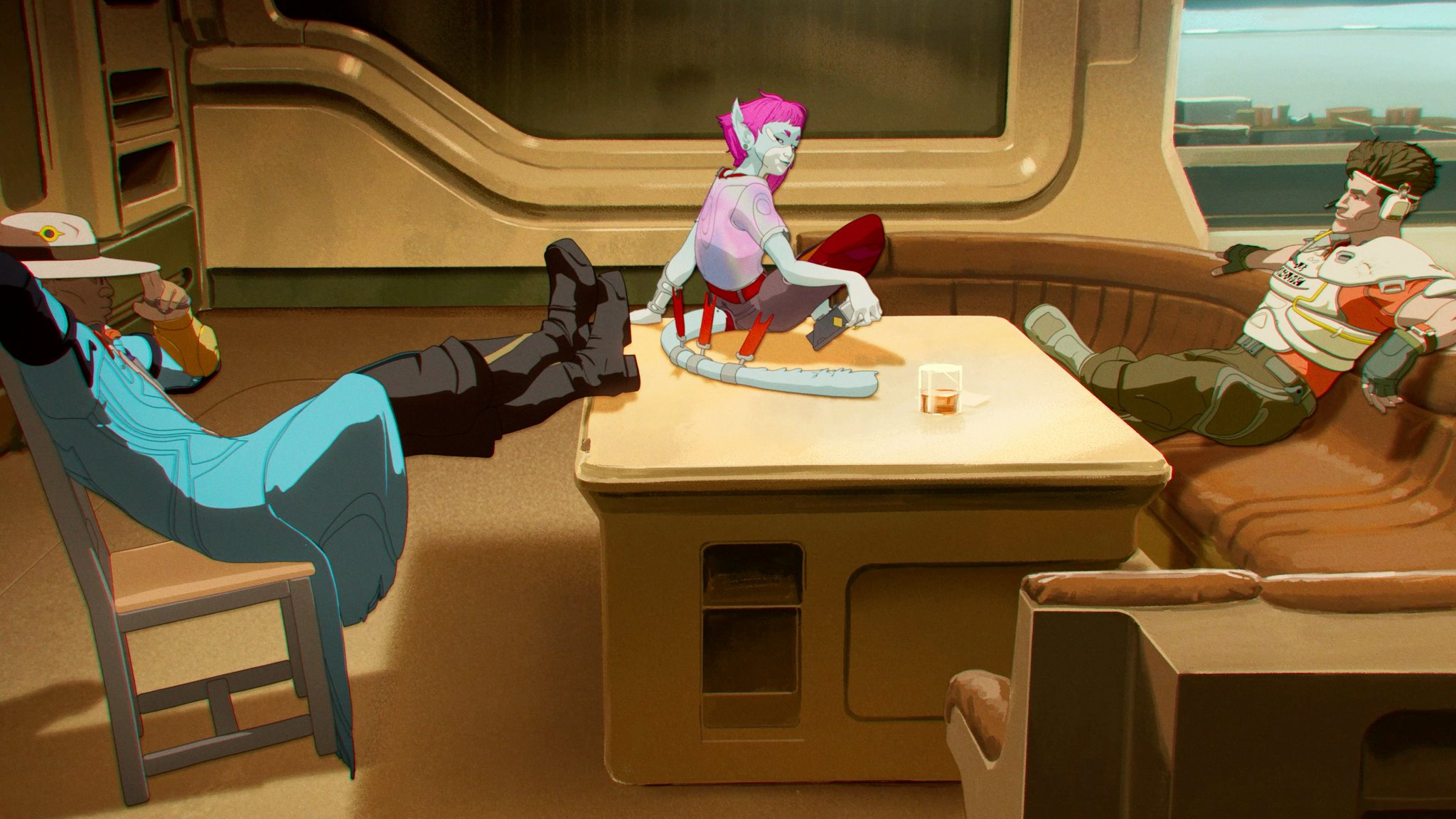
I can’t take back the fact that I really enjoyed my tiny honeymoon with Concord (and I’m not alone). It was a $40 multiplayer game with a small audience that could have been a few months of fun. It was reminiscent of the many Xbox Live multiplayer games I loved 10-15 years ago that would come and go.
But if we find out that this was truly former Playstation president Jim Ryan’s uninspired 8-year, 400 million dollar attempt to redefine the “future of Playstation,” well, that’s kind of pathetic. A game that reminded me of my online gaming glory days of a decade ago is a fun time, but it isn’t the future of anything.
Concord is a fun game, and it could have had a good, if unremarkable run as another multiplayer flash-in-the-pan. But the more I think of this game as a recipe for some new money-making platform, the sadder the entire thing is.
All credit to the team at Firewalk for making a game that played this well under what we will probably find out are very weird circumstances. I can’t imagine what could have been accomplished under different stewards. And for the execs at Sony, I hope this is a harsh lesson for you.
Who knows, maybe I’ll come around to the idea of thinking about Concord fondly again. Maybe, against all odds, it will actually be relaunched. But at this point I find all of that hard to believe, and the sooner we all forget Concord ever happened, the better off we’ll probably be.
 Red Ring Circus